Quick Answer:
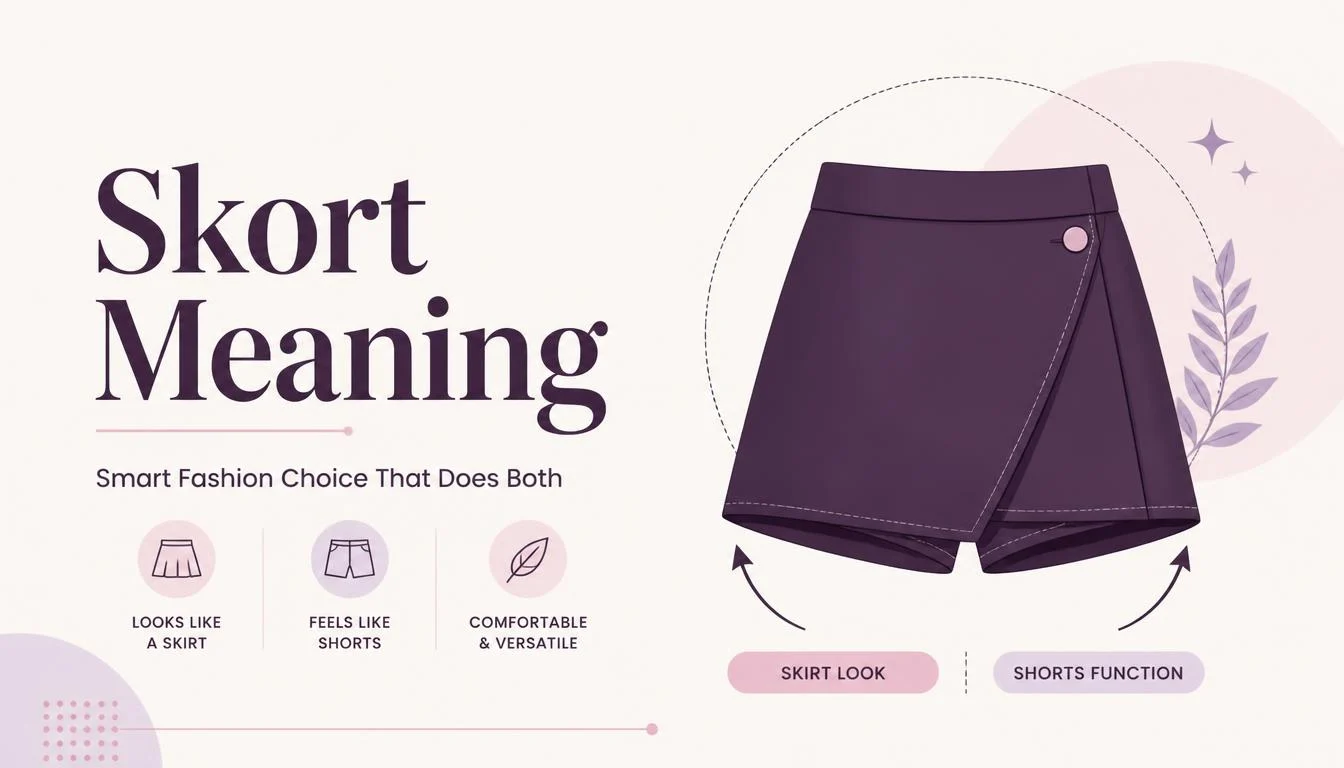
A skort is a piece of clothing that combines the appearance of a skirt with the practicality of shorts. It looks like a skirt from the outside but includes shorts underneath, making it comfortable for walking, playing sports or enjoying everyday activities.
The skort meaning is simple: it is a hybrid garment that brings together the stylish look of a skirt and the comfort of shorts. Skorts come in various styles, lengths and fabrics, making them a popular choice for casual outfits, athletic wear and warm-weather fashion.
Today, skorts are worn by people who want to look fashionable without sacrificing comfort or freedom of movement. You can find them in tennis outfits, golf apparel, school uniforms and everyday clothing. Whether paired with a T-shirt, a blouse or a sporty top, a skort offers a practical and versatile alternative to a traditional skirt.
What Does Skort Mean?
The word skort is a blend of two clothing words: skirt and shorts. It describes a garment designed to combine the feminine appearance of a skirt with the coverage and freedom of movement associated with shorts.
Unlike a traditional skirt, which generally hangs from the waist without separate leg coverings, a skort incorporates shorts beneath a skirt-like outer layer or uses a construction that creates a similar appearance. The exact design depends on the brand and style.
Imagine wearing a short tennis skirt while running across a court. The fabric moves like a skirt, but built-in shorts provide extra coverage when you bend, stretch, or jump. That is the basic idea behind a skort.
The garment is not limited to sports anymore. Modern designs include tailored office-friendly options, denim styles, pleated mini skorts, and flowing versions suitable for warm-weather outings.
The main appeal is simple: you get the look of a skirt without giving up the practical benefits of shorts.
Is a Skort Actually a Skirt or Shorts?
A skort is best understood as a hybrid garment rather than a standard skirt or a pair of shorts.
Some designs have a visible skirt panel across the front, while others use overlapping fabric to create a wrap-style appearance. From the outside, the garment may look almost identical to a skirt.
The underlying construction makes the difference. Many skorts have separate short legs sewn into the garment, while others use an attached panel or layered design to achieve the same effect.
This distinction matters when shopping because two products labeled as skorts can look similar but offer different levels of coverage, stretch, and comfort.
How Does a Skort Work?
A typical skort combines two elements: an outer skirt-like section and an inner short section. Together, they create a garment that looks polished while supporting a wider range of movement.
The outer section provides the visual style. It might be straight, pleated, flared, asymmetrical, or wrapped around the front.
The inner shorts provide coverage. Depending on the design, they may be made from lightweight cotton, polyester, nylon, spandex, or a performance fabric blend.
Many athletic skorts also include moisture-wicking material. This type of fabric helps move sweat away from the skin, which can make exercise more comfortable in warm weather.
Some designs include additional features, such as pockets, elastic waistbands, compression shorts, or a hidden ball pocket for tennis.
Not every skort has all these features. A fashion-focused design may prioritize appearance, while a sports model may emphasize stretch, breathability, and secure coverage.
Common Construction Features
- Built-in shorts: Provide extra coverage beneath the skirt-like exterior.
- Elastic waistband: Helps the garment stay comfortably in place.
- Stretch fabric: Allows easier movement during walking, bending, and exercise.
- Pleated or wrap panels: Create a skirt-like appearance.
- Functional pockets: Offer space for small items, although pocket availability varies.
- Moisture-wicking material: Helps manage perspiration in athletic designs.
Before purchasing one, check whether the shorts are permanently attached or removable. This small detail can affect washing, fit, and everyday convenience.
Skort vs. Skirt vs. Shorts
Although these garments can look similar, their construction and intended uses differ.
| Feature | Skort | Skirt | Shorts |
|---|---|---|---|
| Basic design | Skirt appearance with shorts incorporated | Fabric garment hanging from the waist | Separate leg coverings |
| Coverage | Usually includes built-in shorts | Depends on length and cut | Covers each leg separately |
| Movement | Suitable for many everyday and athletic activities | Depends on fabric and design | Usually allows easy movement |
| Appearance | Combines skirt and shorts styling | Traditional skirt silhouette | Casual, tailored, or athletic |
| Common uses | Tennis, golf, travel, casual wear | Work, events, casual outfits | Sports, daily wear, outdoor activities |
| Typical fabrics | Cotton, polyester, nylon, stretch blends | Cotton, denim, linen, wool, and more | Denim, cotton, nylon, polyester, and more |
Skort vs. Skirt
The main difference is the built-in shorts. A traditional skirt may require separate safety shorts underneath if the wearer wants additional coverage during movement.
A skort already incorporates that feature in most designs. This makes it convenient for activities involving bending, climbing stairs, cycling short distances, or playing sports.
However, a skirt may offer a longer, more flowing silhouette or a formal appearance that some skorts do not provide. The better choice depends on the occasion and personal preference.
Skort vs. Shorts
Shorts have two distinct leg sections and generally look like conventional shorts. A skort uses an outer panel or layered construction to create the appearance of a skirt.
Both garments can be practical, but they create different outfits. Tailored shorts may suit a relaxed summer look, while a structured skort can create a dressier appearance without losing its practical inner layer.
Skort vs. Tennis Skirt
A tennis skirt is designed to resemble a skirt worn for tennis. Many tennis skirts already include built-in shorts, which means they are also skorts in practical terms.
The labels are not always used consistently by retailers. Some brands call a garment a tennis skirt because of its style, while others call a similar design a tennis skort because they emphasize its construction.
When comparing products, look at the garment details rather than relying on the product name alone.
Different Types of Skorts
Skorts come in several styles, each suited to different activities and preferences.
1. Athletic Skorts
Athletic skorts are designed for activities such as tennis, golf, walking, and fitness training. They commonly use lightweight stretch fabrics that allow the wearer to move freely.
Some feature moisture-wicking material, flexible waistbands, and pockets designed to hold tennis balls or small essentials.
For example, tennis players may prefer a pleated performance skort, while golfers might choose a slightly longer, more tailored design. The best option depends on comfort, movement, and any dress requirements at the sports facility.
2. Denim Skorts
Denim skorts combine the familiar look of a denim mini skirt with the practicality of shorts.
They work well with T-shirts, fitted tops, sneakers, sandals, and casual jackets. Blue denim is a common choice, although black, white, and other washes are also available.
Because denim can be less flexible than athletic fabric, checking the stretch and fit is especially important. A design that feels comfortable while standing should also allow easy sitting and walking.
3. Pleated Skorts
Pleated skorts have folds in the outer fabric that create movement and volume. They are often associated with tennis-inspired outfits, school-style fashion, and sporty casual clothing.
The pleats may be sharp and structured or soft and flowing. A plain pleated skort can be paired with a fitted top, while a more colorful version can become the main feature of an outfit.
4. Wrap Skorts
Wrap skorts feature an overlapping front panel that resembles a wrap skirt. The inner shorts remain underneath, giving the garment a more polished exterior.
This design is useful for people who like the appearance of a wrap skirt but prefer additional coverage. It can work for casual dinners, daytime outings, and smart-casual outfits, depending on the fabric and length.
5. High-Waisted Skorts
High-waisted skorts sit at or above the natural waist. They are often styled with cropped tops, tucked-in shirts, fitted blouses, or lightweight sweaters.
Their appearance depends on the cut. A fitted high-waisted design creates a clean silhouette, while a flared version provides more volume through the skirt panel.
6. Long and Modest Skorts
Longer skorts provide more coverage while retaining the practical inner shorts. Some end near the knee, while others feature a longer outer panel.
These options can suit travel, casual gatherings, outdoor activities, and people who prefer not to wear very short garments. The amount of coverage varies, so checking the actual measurements is useful.
The History and Evolution of Skorts
The skort developed from a broader interest in making women’s clothing more practical for movement and physical activity.
Historically, many conventional women’s garments restricted movement or required additional layers for activities such as cycling and sports. Designers experimented with divided skirts, bloomers, and other garments that offered greater freedom while maintaining a skirt-like appearance.
A divided skirt is a garment that separates into two leg sections, even if it resembles a skirt when worn. It is related to the same practical design idea, but it is not automatically identical to every modern skort.
The term skort became established in English as a name for clothing that combines skirts and shorts. Its precise adoption across fashion brands and sportswear markets varied over time, so it is difficult to assign one universally accepted inventor or invention date.
As women’s participation in sports expanded, practical clothing became increasingly important. Tennis, golf, cycling, and other activities helped create demand for garments that offered both mobility and a traditionally skirt-like appearance.
Modern sportswear companies have developed skorts using synthetic performance fabrics, stretch blends, and designs adapted to specific activities. Meanwhile, everyday fashion has adopted denim, tailored, pleated, and wrap styles.
The garment has therefore moved beyond its athletic associations. Today, a skort can be functional sportswear or simply a preferred alternative to a skirt.
Why Are Skorts So Popular?
The popularity of skorts comes from their combination of comfort, coverage, and styling options.
Comfort During Movement
The inner shorts can reduce concerns about accidental exposure while walking, sitting, bending, or exercising. This can make the garment a comfortable choice for people who want a skirt-like look without constantly adjusting their clothing.
The benefit depends on the fit. Shorts that are too tight may ride up, while loose inner layers can bunch or shift during movement.
Versatility
A single skort can work in several settings. An athletic design may suit tennis or walking, while a tailored version can be styled for lunch, shopping, or a casual gathering.
The fabric and cut determine how easily it moves between occasions. A sporty mesh design will usually look different from a structured black skort made from a heavier woven fabric.
Easy Styling
Skorts pair with many familiar wardrobe pieces. T-shirts, polo shirts, tank tops, button-down shirts, and lightweight sweaters can all work, depending on the style.
Footwear also changes the overall effect. Sneakers create a sporty appearance, sandals feel relaxed, and loafers can make a tailored skort look more polished.
Practicality for Travel
For travel, a skort can offer the appearance of a skirt while making walking and sitting more comfortable for some people. Lightweight designs are especially useful in warm weather.
However, not every skort is ideal for packing. Denim and structured fabrics can take up more space, while synthetic athletic materials may dry faster after washing.
When and Where Can You Wear a Skort?
A skort is suitable for many occasions, but the design should match the activity.
| Occasion | Suitable style | Styling suggestion |
|---|---|---|
| Tennis | Lightweight pleated athletic skort | Pair with a sports top and court shoes |
| Golf | Tailored performance skort | Wear with a polo shirt and golf shoes |
| Shopping | Denim or casual cotton skort | Add a T-shirt and comfortable sneakers |
| Travel | Lightweight stretch skort | Choose breathable fabric and useful pockets |
| Outdoor walks | Athletic skort | Pair with a moisture-wicking top |
| Casual dinner | Wrap or tailored skort | Add a blouse and simple sandals |
| Summer gathering | Flared or pleated skort | Style with a fitted top and light accessories |
| Smart-casual setting | Structured, longer skort | Combine with a button-down shirt and loafers |
A skort is not automatically appropriate for every workplace or formal event. Dress codes vary, and athletic styles may look too casual for certain settings.
For professional environments, a longer tailored design in a neutral color is usually easier to style. For sports, comfort and the requirements of the activity should come first.
How to Style a Skort
Styling is straightforward once you decide whether you want a sporty, casual, or polished appearance.
For a Casual Everyday Outfit
Wear a denim skort with a plain T-shirt and white sneakers. Add a small shoulder bag or a simple necklace if you want a little extra detail.
For hot weather, a cotton tank top or lightweight blouse can work well. Choose fabrics that feel comfortable against your skin and allow you to move easily.
For a Sporty Look
Pair an athletic skort with a fitted sports shirt, comfortable athletic shoes, and socks suited to your activity.
If you are playing tennis or golf, check whether the garment meets the venue’s dress requirements. A sports skort with suitable pockets can also make it easier to carry small items during play.
For a More Polished Outfit
A tailored black or neutral-colored skort can work with a tucked-in blouse, a lightweight blazer, and loafers or understated sandals.
The fabric matters here. Structured materials generally look more formal than thin performance mesh or visibly sporty stretch fabric.
For Cooler Weather
A skort can also be worn in cooler conditions with opaque tights, a fitted sweater, and ankle boots. This approach works best with designs that have enough room to accommodate the extra layer comfortably.
Consider the outer length and the fit of the inner shorts before adding tights. The goal is to avoid unnecessary bunching around the hips and thighs.
How to Choose the Right Skort
Choosing the right design is about more than appearance. Comfort, construction, fabric, and intended use all matter.
Check the Inner Shorts
The inner shorts should provide enough coverage without digging into the skin. Walk, sit, and bend while trying on the garment to see whether the fabric stays in place.
If possible, check the inseam length, which is the measurement from the crotch seam to the bottom of the shorts. This can help you compare coverage between different brands.
Choose the Right Fabric
Cotton and denim are common choices for casual wear. Polyester and nylon blends are often used for athletic designs because they can be lightweight and quick-drying.
Spandex, also called elastane, adds stretch to a fabric. It can improve flexibility, particularly in garments designed for running, tennis, or other active uses.
No fabric is perfect for every situation. Breathability, stretch, durability, and care instructions should all influence your decision.
Consider the Length
Mini skorts are popular for sporty and casual outfits, while longer designs may offer more coverage and work better in certain settings.
The ideal length depends on your comfort, activity, and personal style. Do not rely only on product photographs, since camera angles can make a garment appear longer or shorter than it is.
Look for Useful Features
Pockets can be helpful for everyday wear, but their size and placement vary. Some athletic skorts have pockets for tennis balls, while others offer small pockets for keys or cards.
Also check the waistband, seams, lining, and washing instructions. A well-fitting garment should remain comfortable without frequent adjustments.
Common Skort Fashion Mistakes
A few simple checks can make the garment more comfortable and easier to style.
- Choosing the wrong size: Tight inner shorts may restrict movement or ride up.
- Ignoring the fabric: Heavy denim may be uncomfortable for intense exercise, while thin athletic fabric may not provide the structured appearance desired for a dressier event.
- Assuming every skort has pockets: Always review the product description.
- Wearing the wrong length for an activity: A design suitable for a casual lunch may not be practical for a long hike or a particular sport.
- Ignoring care instructions: Stretch fabrics and delicate pleats may require specific washing methods.
- Confusing appearance with construction: A skirt-like outer layer does not guarantee built-in shorts, so check the garment details before buying.
The best skort is one that fits your body comfortably and suits the activities you actually do.
FAQs
1. Is skort a real word?
Yes. Skort is an established English clothing term formed by combining skirt and shorts. It is commonly used by clothing retailers, fashion writers, and sportswear brands.
2. Do you wear underwear with a skort?
Yes, underwear is generally worn with a skort, just as it is with other everyday clothing. Built-in shorts provide an additional layer of coverage but are not automatically a substitute for underwear.
3. Can men wear skorts?
Yes. Clothing is a matter of personal preference, and anyone can wear a skort if they like its design and find it comfortable. Most mainstream retail styles are marketed toward women, although garment availability varies by brand.
4. Are skorts suitable for exercise?
Many are. Athletic skorts are designed for activities such as tennis, golf, walking, and fitness training. For intense exercise, look for a secure waistband, flexible fabric, appropriate coverage, and moisture management.
5. How do you wash a skort?
Follow the care label because washing requirements depend on the fabric and construction. Many cotton and synthetic skorts can be machine-washed, while delicate pleated or structured designs may need gentler care.
Conclusion
A skort offers a practical alternative to traditional skirts and shorts by combining their most useful features in one garment. Its range of styles makes it suitable for sports, casual outfits, travel, and some smart-casual occasions. When choosing one, pay attention to the fit, fabric, length, and construction rather than the label alone. The right design should feel comfortable, suit the occasion, and match your personal style.
Read More Related Articles:
- Slime Someone Out Mean | Real Story Behind This Slang In 2026
- Adjacent Mean in Math | Easy Way to Get It Right In 2026
- Congruent Mean in Geometry | Learn the Secret of Identical Shapes In 2026











2 thoughts on “Skort Meaning | Smart Fashion Choice That Does Both In 2026”